الأمم المتحدة: الوضع الإنساني لم يكن بهذا السوء منذ بداية الحرب – الحاجة إلى تدخل فوري أصبحت مسألة حياة أو موت
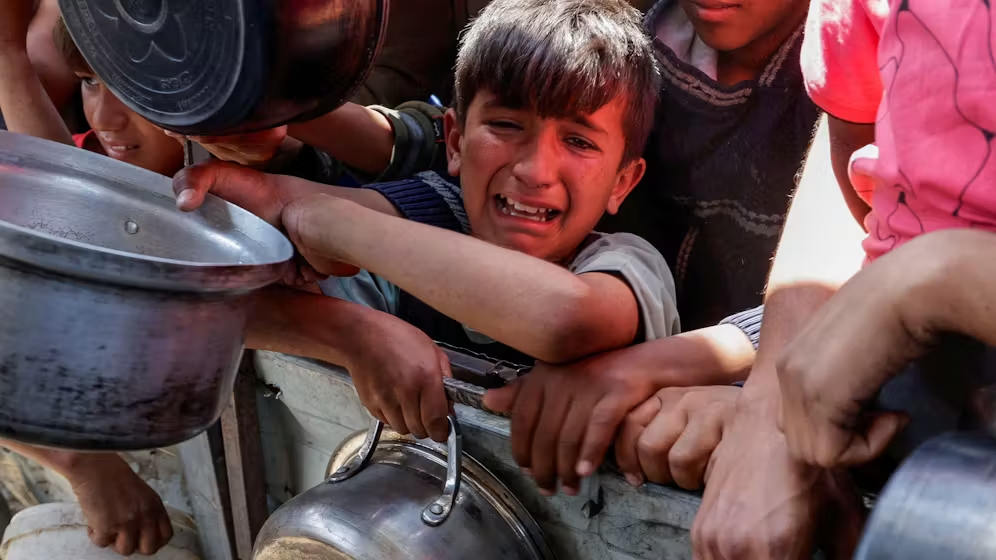
أطلقت الأمم المتحدة تحذيرًا بالغ الخطورة بشأن الوضع الإنساني في قطاع غزة، مؤكدة أن السكان يواجهون خطر المجاعة الحاد خلال الأيام والأسابيع المقبلة، في ظل استمرار الحصار، تدمير البنية التحتية، وصعوبة وصول المساعدات.
وضع غير مسبوق منذ 2023
وفي تقرير صدر مؤخرًا عن مكتب الأمم المتحدة لتنسيق الشؤون الإنسانية (OCHA)، جاء أن الوضع الحالي في غزة هو “الأسوأ منذ سنوات، إن لم يكن منذ عقود”، مشيرًا إلى أن السكان يفتقرون إلى الغذاء والماء والدواء بدرجة تنذر بانهيار شامل للمنظومة الإنسانية.
أرقام صادمة
- أكثر من 1.1 مليون شخص (أي نحو نصف سكان القطاع) يعانون من انعدام الأمن الغذائي الحاد
- شبكات المياه والصرف الصحي إما مدمّرة أو متوقفة عن العمل
- الأطفال يعانون من سوء تغذية حاد ومتسارع، وفق ما وثقته منظمات دولية كـ”يونيسف”
أسباب تفاقم الأزمة
- استمرار العمليات العسكرية والقصف المكثف
- إغلاق المعابر وعدم السماح بدخول كميات كافية من المساعدات
- تقييد حركة المدنيين وانهيار القطاع الصحي
دعوات دولية عاجلة
الأمم المتحدة دعت إلى هدنة إنسانية فورية تتيح دخول المساعدات وتوزيعها دون عوائق، مع التركيز على حماية المدنيين وضمان الحد الأدنى من سبل البقاء.
وقال متحدث أممي:
“الوضع في غزة تجاوز حدود الأزمة، نحن أمام كارثة إنسانية حقيقية، وقد نبدأ خلال أيام برؤية وفيات بسبب الجوع إذا لم يتم التحرك.”
ردود الأفعال
بينما تدعو منظمات دولية إلى التحرك السريع، تُواجه جهود الإغاثة تحديات سياسية وأمنية كبيرة، وسط خلافات حول آليات توزيع المساعدات وضمان وصولها للمحتاجين.
UN warning: Gaza on the brink of famine – humanitarian collapse imminent
UN: Situation in Gaza worse than ever since 2023 – Immediate intervention urgently needed to prevent mass starvation
The United Nations has issued a dire warning about the humanitarian crisis in Gaza, stating that the population is now facing imminent famine, with basic supplies of food, water, and medicine severely limited due to the ongoing conflict and blockade.
Worst situation since 2023
According to a report by the UN Office for the Coordination of Humanitarian Affairs (OCHA), the current state in Gaza is described as “the most critical in years – possibly decades“, with civilians struggling to survive under siege-like conditions.
Alarming statistics
- Over 1.1 million people – roughly half the population – are experiencing acute food insecurity
- Water and sanitation systems are largely destroyed or inoperable
- Children are suffering from rapidly worsening malnutrition, as confirmed by UNICEF and other aid agencies
Causes of the worsening crisis
- Ongoing military operations and widespread destruction
- Closure of border crossings, limiting the flow of aid
- Collapse of the healthcare system and restrictions on civilian movement
Global calls for immediate action
The UN has called for an immediate humanitarian ceasefire to allow unrestricted delivery of aid, emphasizing the urgent need to protect civilians and restore access to basic life-saving services.
A UN spokesperson said:
“Gaza is no longer facing a crisis. This is now a full-blown humanitarian catastrophe. We may begin seeing starvation-related deaths within days unless action is taken.”
Political and logistical challenges
Despite mounting international pressure, relief efforts continue to face political obstacles, including disputes over distribution control and access guarantees, making the situation increasingly complex and urgent.